Building agents: our entire forking universe.
Brex launched an AI Assistant in 2023, rooted in deterministic logic engines that shipped with 60% accuracy bar. These automations meant nothing but a little sparkly decoration on a field, since users told us they "would rather start from scratch," than correct work already done. In 2025, tech is finally good enough to re-direct our attention to investing in real agents.
We created a "startup" within Brex — new repo, new docs, no priors. As the first designer & PM on this experimental team, I prioritized and drove critical product decisions while learning an entirely new way of working alongside both human and agent builders.
While I can share more on the project itself privately, below are a few key principles for designing compliant, trustworthy agents I follow to ensure we ship experiences we can be proud of.
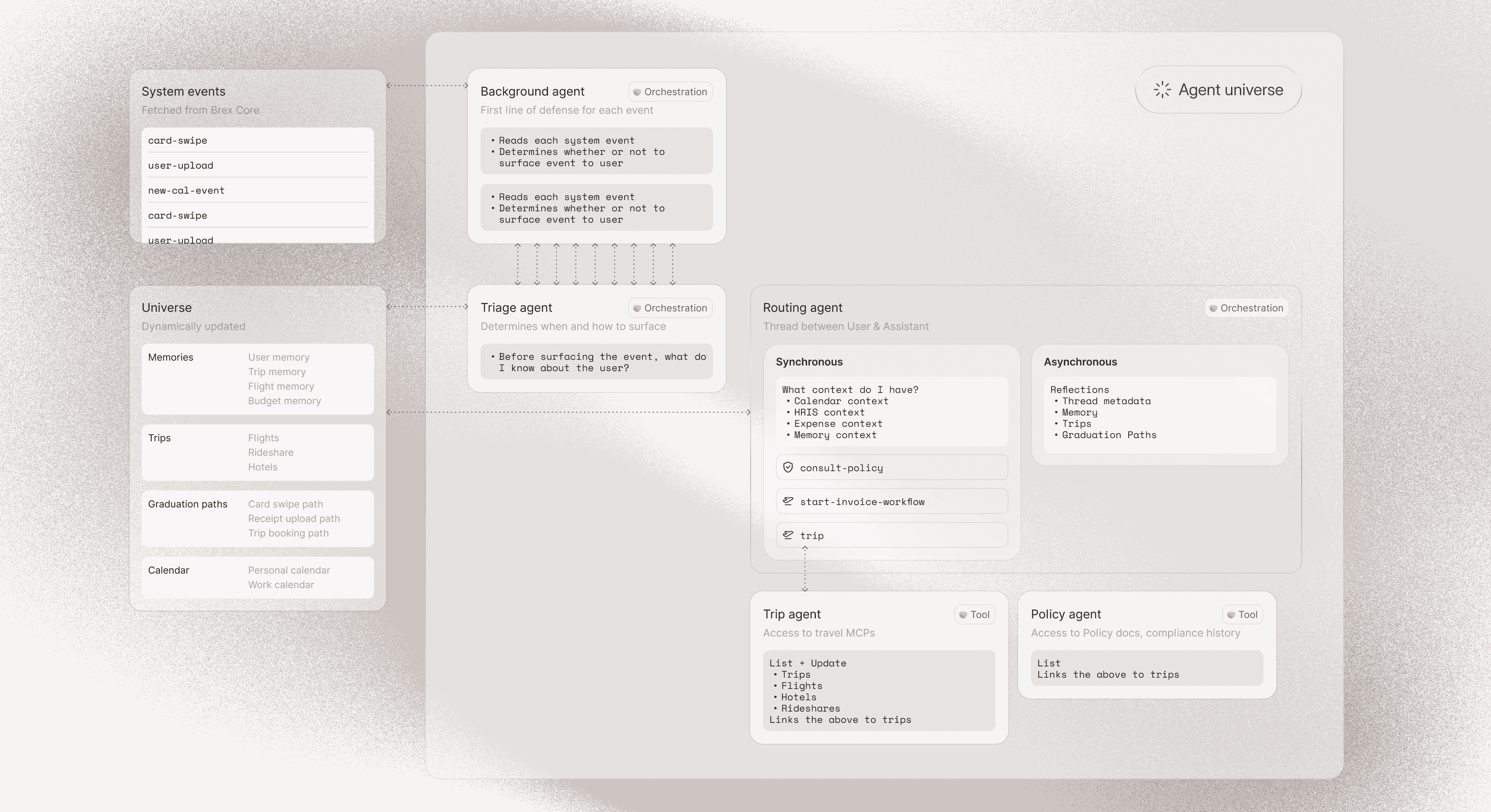
Brex's trio of agents introduce a particularly interesting tension:
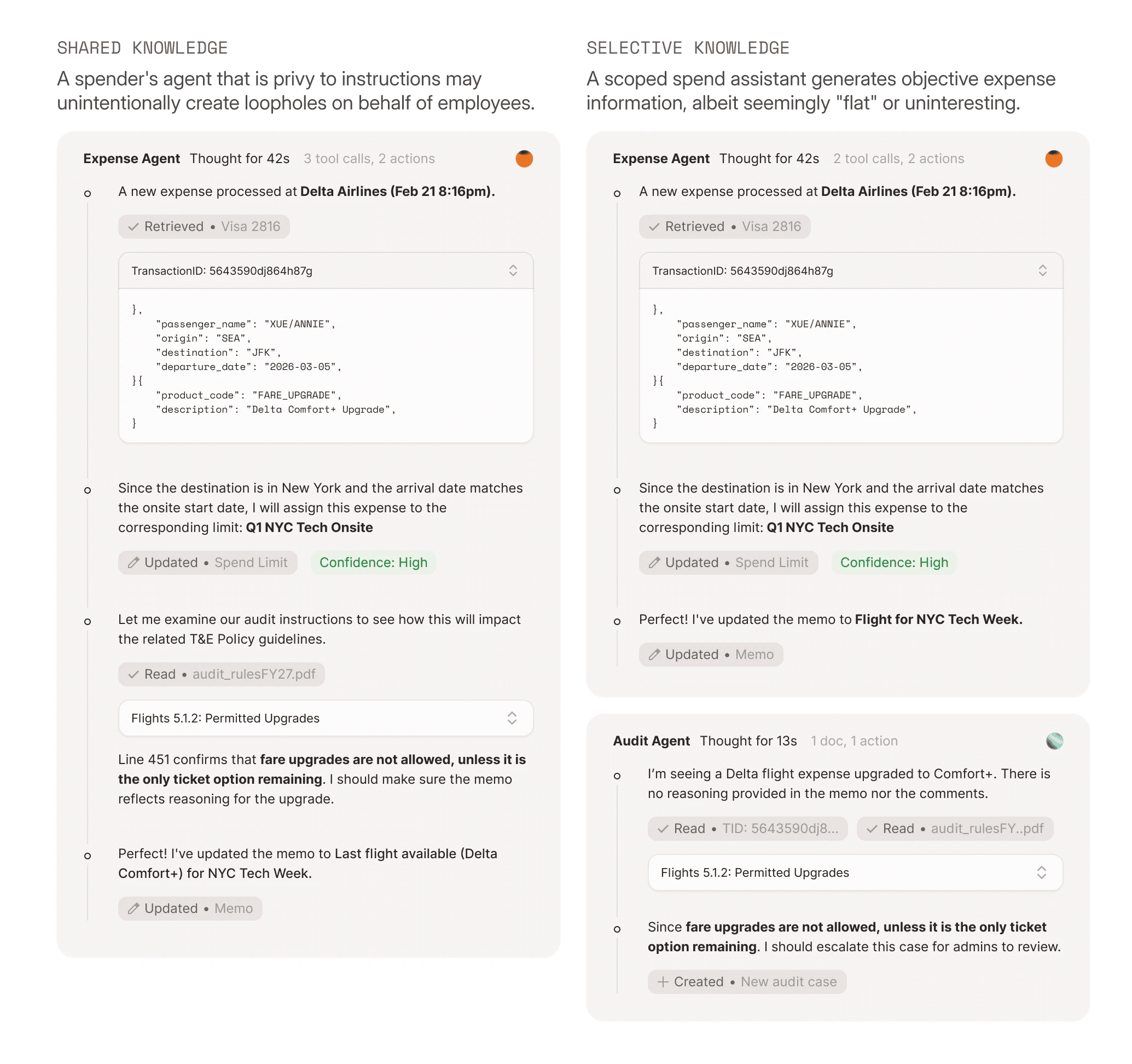
Spend Agents act on behalf of each employee, ensuring complete documentation for valid business expenses.
Then, an Audit Agent helps the finance team scrub through daily expense activity, flagging high risk cases with suspicious documentation.
Finally, Review Agents guide managers through resolving or escalating these generated cases.
Each agent must only be privy to their own knowledge base, and a select portion of another's . Too little, and we lose out on intelligence opportunity. Too much will introduce fraud risk.
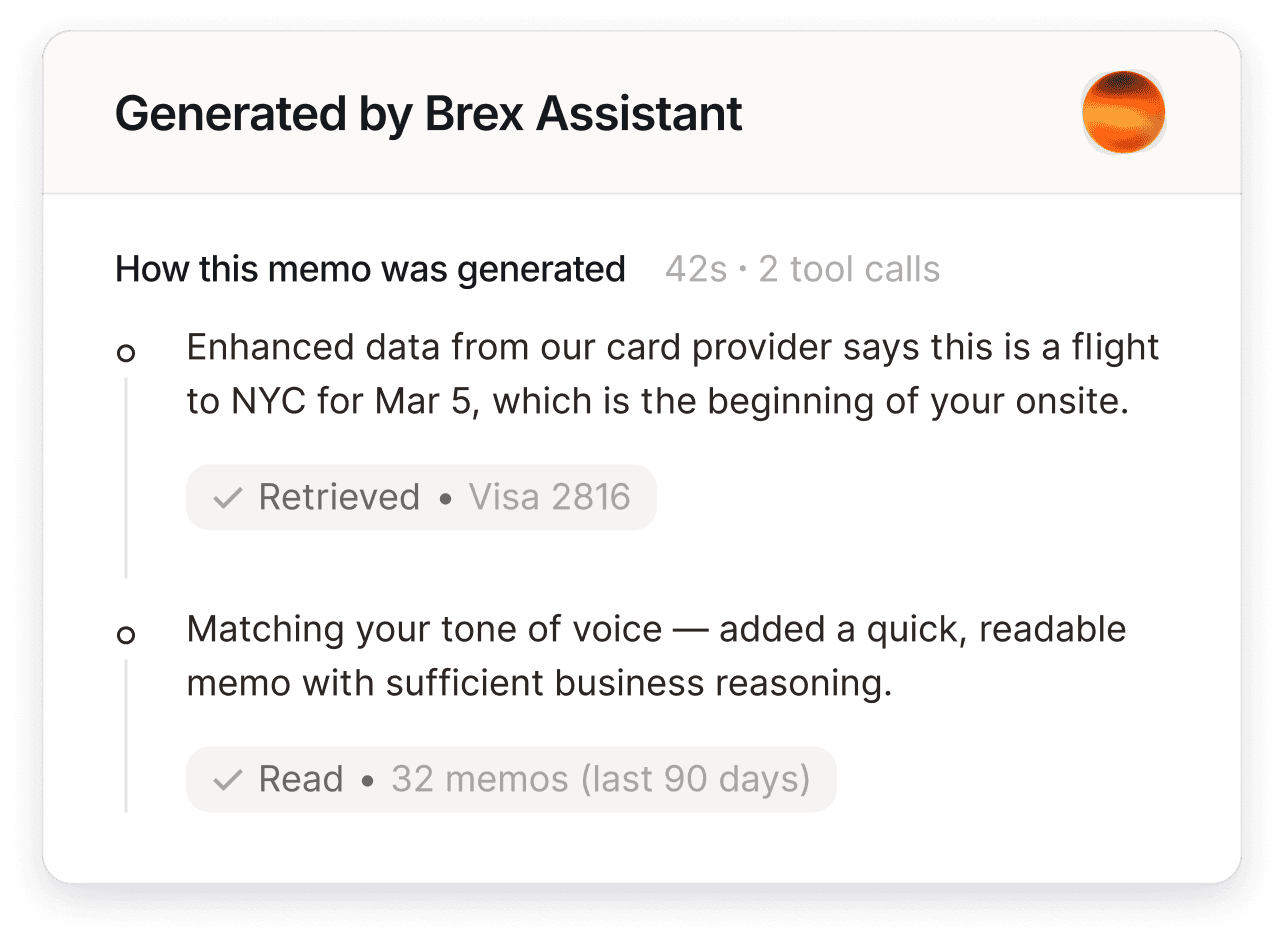
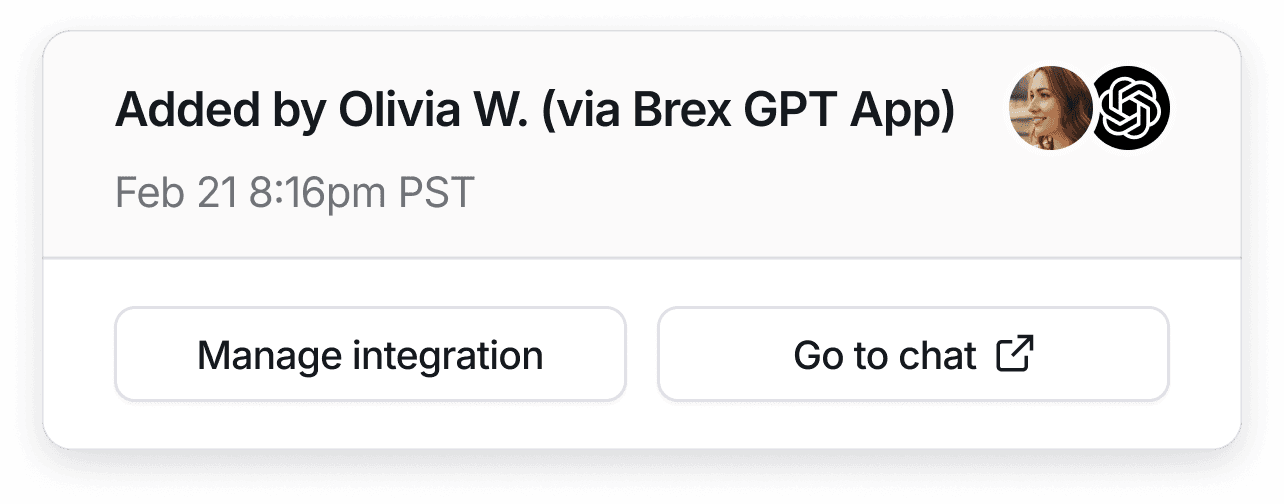
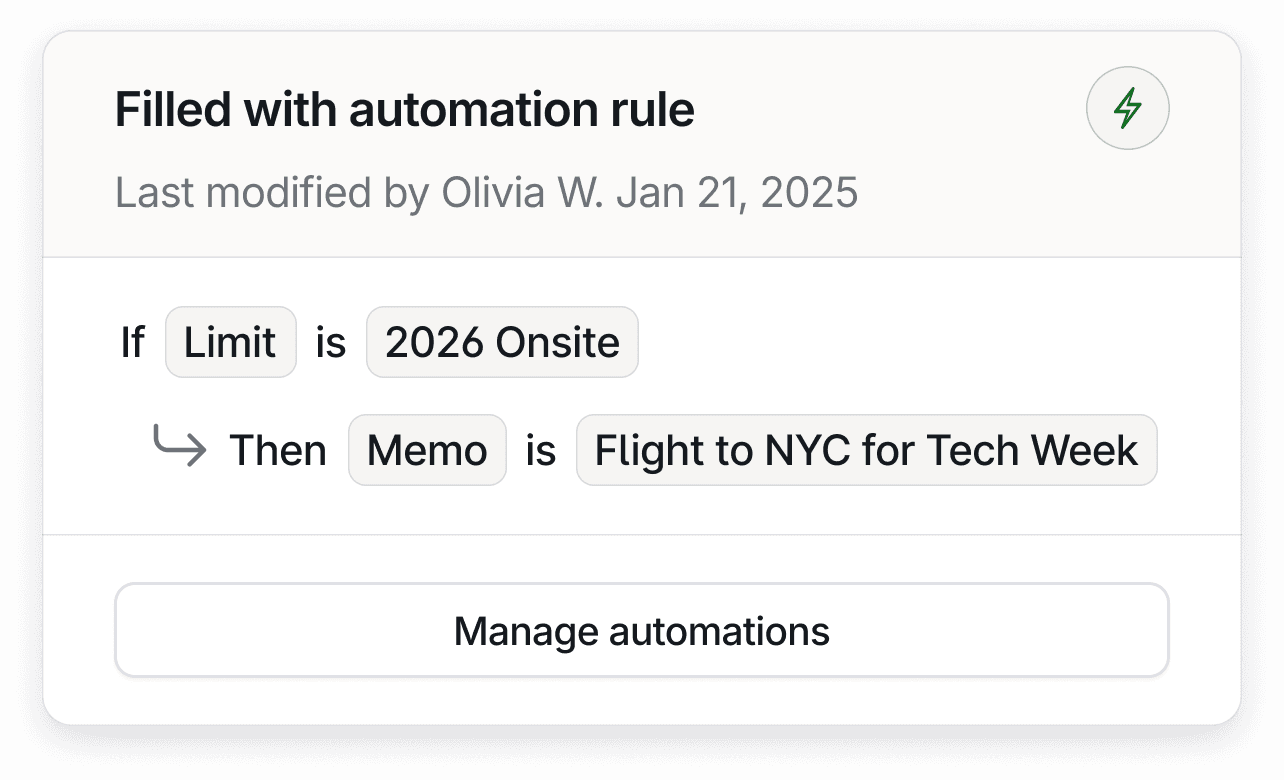
Agency becomes blurry when the actor who initiated intent is different than the one who executed the mutation. For compliance workflows, we determine the intent-bearer to be the final liable party. This becomes increasingly complex when multiple actors collaborate (i.e. my Agent and I edit a suggestion together in multiple iterations).
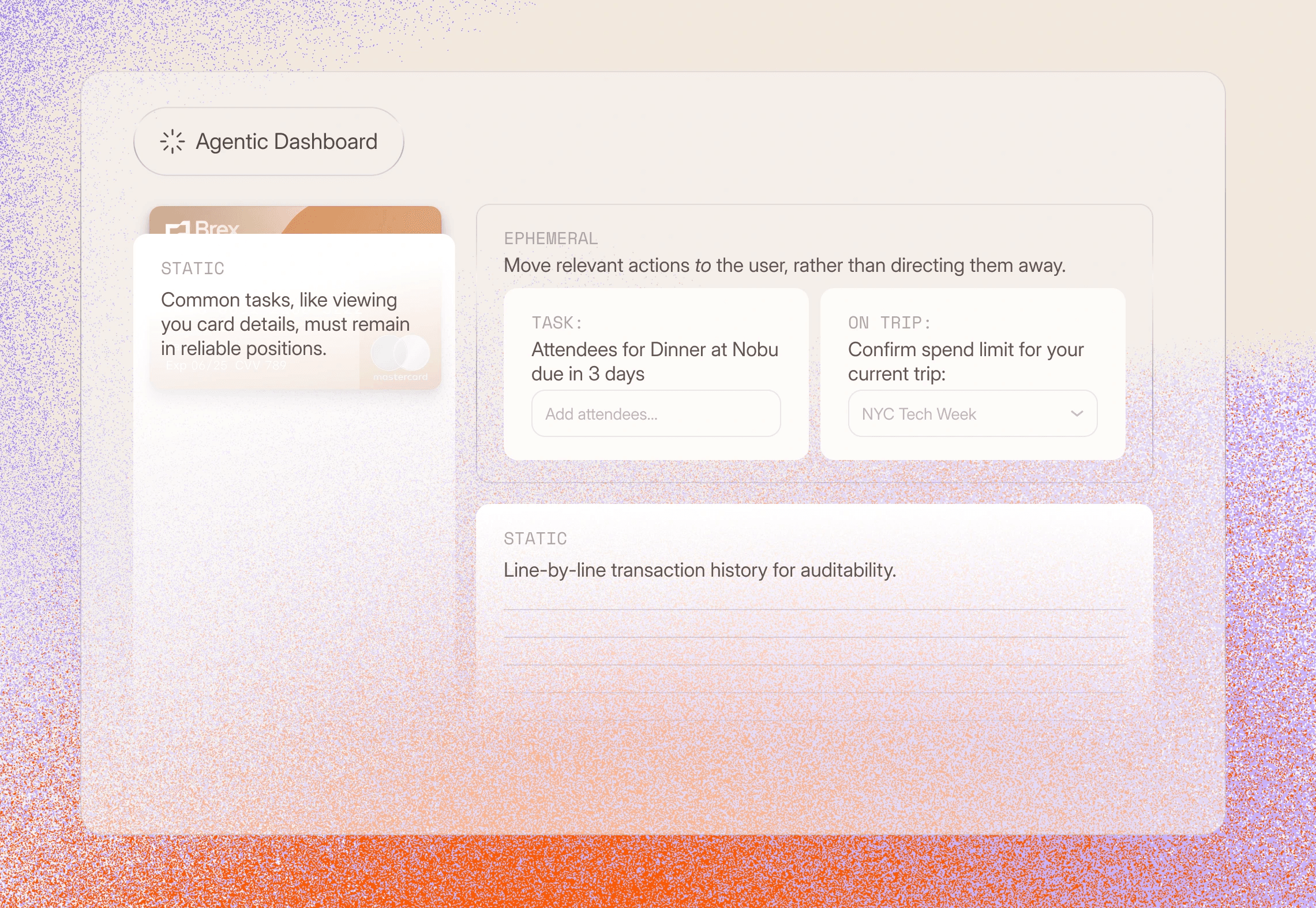
Traditional financial software forces users to navigate toward surfaces that contain relevant actions. Our best experiences only went so far as to deep link to predicted next moves.
With agents, that model inverts. Instead of directing users to the surface, we move the surface to the user. The UI reflects this shift by separating what must remain stable (card details, transaction history, compliance signals) from what can become dynamic and ephemeral (tasks, contextual prompts, proactive suggestions).